
IntroductionIn the world of digital marketing, businesses are always looking for the most efficient way to spend their marketing budgets and achieve a high return on investment (ROI). Two of the most popular strategies are performance marketing and pay-per-click (PPC) advertisin…
Introduction
In the world of digital marketing, businesses are always looking for the most efficient way to spend their marketing budgets and achieve a high return on investment (ROI). Two of the most popular strategies are performance marketing and pay-per-click (PPC) advertising. While both aim to drive conversions, they work in slightly different ways. In this blog, we’ll explore the differences between performance marketing and PPC, and help you understand which strategy delivers the best ROI for your business.
What is Performance Marketing?
Performance marketing is a form of marketing where you only pay for specific actions taken by users, such as a sale, lead, or click. Unlike traditional marketing, which focuses on impressions or clicks, performance marketing is results-driven. The key advantage of performance marketing is that advertisers only pay when a predetermined action occurs, making it more cost-effective.
Performance marketing typically involves partnerships with affiliate marketers or networks, who promote your product or service in exchange for a commission on successful actions. This model ensures that you only pay for actual conversions, making it a more direct path to measurable ROI.
What is Pay-Per-Click (PPC) Advertising?
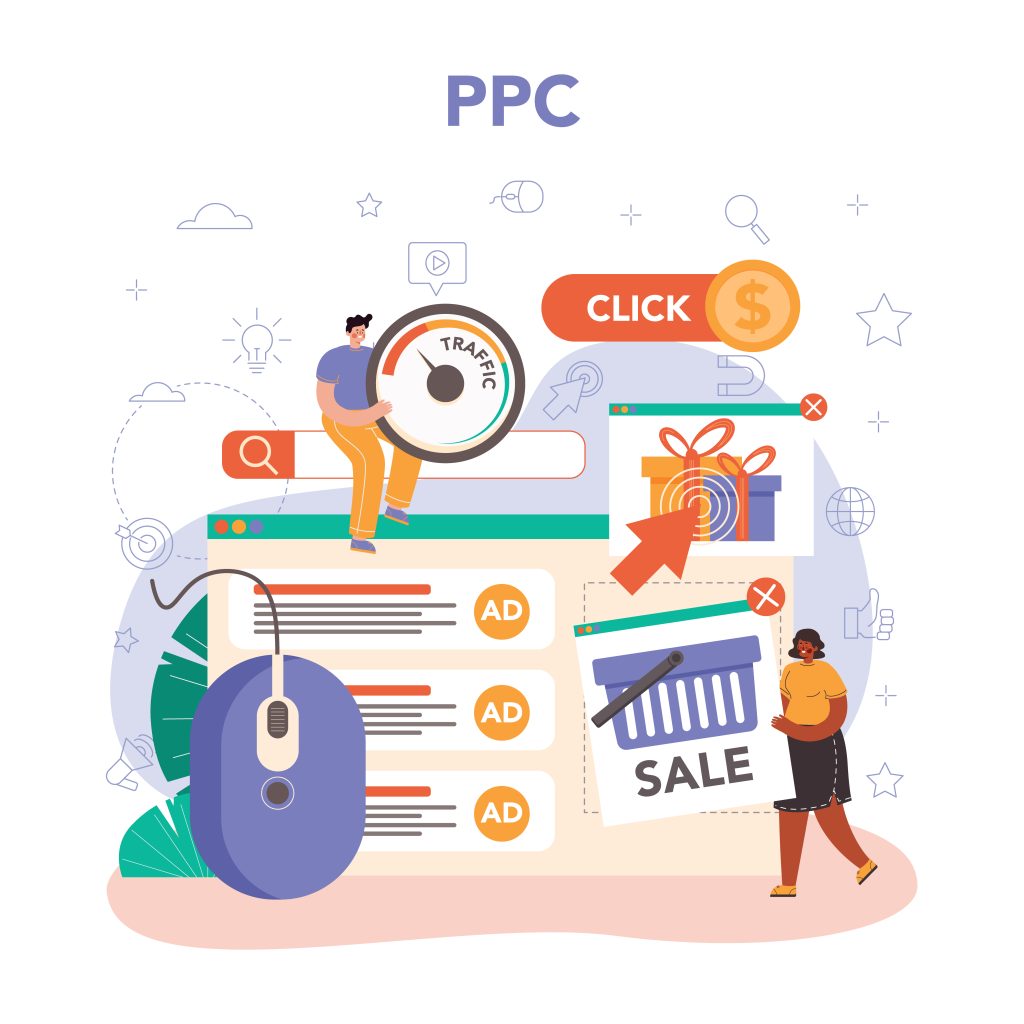
PPC advertising is a type of digital marketing where you pay each time someone clicks on your ad. Platforms like Google Ads and social media networks like Facebook and Instagram are popular choices for running PPC campaigns. Unlike performance marketing, where you pay for a specific action like a sale, PPC requires you to pay for every click, regardless of whether the user converts or not.
PPC campaigns can be highly targeted, allowing advertisers to choose specific keywords, demographics, and locations. While PPC ads can drive traffic quickly, there’s no guarantee that each click will lead to a conversion, which means the ROI can vary.
Key Differences Between Performance Marketing and PPC
Here are the main differences between performance marketing and PPC:
1. Payment Structure
- Performance Marketing: Advertisers pay only for specific actions, such as a sale or lead. This can result in better ROI as you only pay for successful conversions.
- PPC: Advertisers pay for each click, regardless of whether the user takes further action. This can sometimes lead to wasted ad spend if clicks do not result in conversions.
2. Targeting and Reach
- Performance Marketing: Focuses on performance-based partnerships with affiliates or networks who actively drive conversions. The reach is typically more focused on quality leads.
- PPC: Provides broad targeting options, such as keyword-based, location-based, and demographic-based targeting. It has the potential to reach a large audience but may attract users who are not as likely to convert.
3. Risk and Reward
- Performance Marketing: Generally carries less risk since you only pay for actual results. However, finding quality affiliates or partners can take time.
- PPC: Poses more risk because you’re paying for clicks regardless of whether they lead to conversions. Campaign optimization is necessary to ensure the best ROI.
4. Campaign Duration
- Performance Marketing: Often results in long-term partnerships and sustained campaigns, as it focuses on ongoing results and performance.
- PPC: Typically operates in shorter bursts, with advertisers adjusting bids and targeting based on campaign performance.
5. Scalability
- Performance Marketing: Scalable as it relies on affiliate networks and other partners who can continuously drive performance. However, the quality of affiliates can vary.
- PPC: Scalable but may become costly if not optimized properly. Campaign budgets can be adjusted to scale, but efficiency is key to managing ad spend.
Which One Delivers Better ROI?
Both performance marketing and PPC can deliver strong ROI, but the key is understanding which one aligns best with your business goals.
- Performance Marketing: If your goal is to drive specific actions, such as sales or leads, without the upfront costs of impressions or clicks, performance marketing is often the better option. It allows for better cost control since you pay only for actual results.
- PPC: If you’re looking to drive traffic quickly and raise awareness, PPC can be an excellent choice. However, the ROI will depend on how well you optimize your ads and manage your budget. While PPC may not always lead to immediate conversions, it helps build brand awareness and attracts qualified leads.
The best strategy often involves combining both methods, depending on your objectives. For example, PPC can be used to generate traffic and increase brand visibility, while performance marketing focuses on closing the sale and ensuring a measurable ROI.
Tips for Maximizing ROI in Both Campaigns
To get the most out of both performance marketing and PPC, consider the following tips:
1. Optimize Your Landing Pages
Ensure your landing pages are optimized for conversions. The user experience plays a significant role in turning traffic into actual sales or leads.
2. Leverage Retargeting
Use retargeting strategies to re-engage users who clicked on your PPC ads but didn’t convert. This can increase your chances of conversion without spending additional ad budget.
3. Test and Refine Campaigns
Regularly test your PPC ads and performance marketing strategies. Use A/B testing to find the most effective copy, visuals, and targeting methods.
4. Track and Measure Results
Always track your ROI and measure key performance indicators (KPIs) for both PPC and performance marketing campaigns. This will help you optimize your campaigns for better results.
Conclusion
Choosing between performance marketing and PPC depends on your business goals, risk tolerance, and budget. Performance marketing tends to offer a better ROI when you want to pay only for successful conversions, while PPC can quickly drive traffic and increase brand awareness. Ultimately, combining both strategies will help you create a comprehensive marketing plan that generates results in the short and long term.


