Introduction
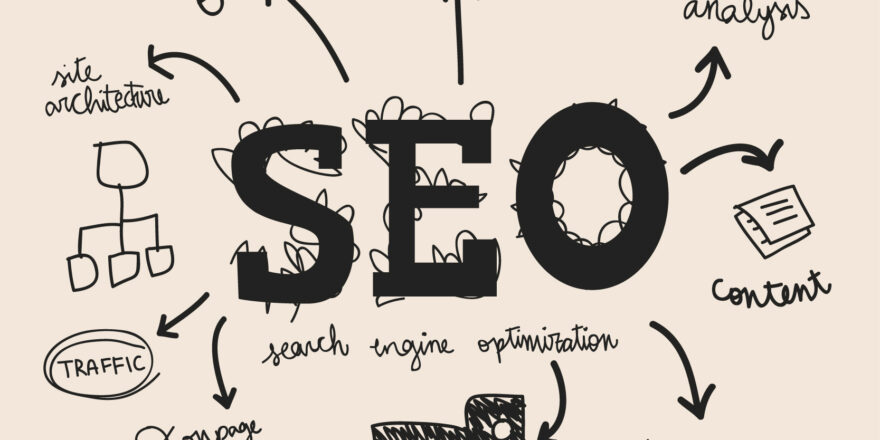
In today’s digital landscape, having a website is not enough—you need to make sure your audience can find it. That’s where Search Engine Optimization (SEO) comes into play. SEO is a collection of strategies and techniques designed to improve a website’s ranking on search engines like Google. The higher your site ranks, the more organic traffic you attract, leading to increased brand visibility, engagement, and sales.
With billions of searches happening daily, SEO is one of the most powerful tools for businesses, bloggers, and digital marketers. In this comprehensive guide, we’ll explore how SEO works, why it’s essential, and the best practices to improve your search rankings.
What is SEO?
SEO (Search Engine Optimization) is the process of optimizing a website to improve its visibility in organic (non-paid) search results on search engines like Google, Bing, and Yahoo.
Unlike pay-per-click (PPC) advertising, SEO focuses on earning traffic naturally through optimized content, backlinks, and technical improvements. When users search for keywords related to your business or industry, SEO ensures that your website ranks higher, making it more likely that they will click on your site instead of a competitor’s.
SEO involves multiple factors, including content quality, website performance, backlinks, keyword usage, and technical enhancements. The ultimate goal is to create a seamless user experience while signaling to search engines that your website is relevant, trustworthy, and valuable.
Why SEO is Important for Businesses
1. Increases Organic Traffic
Organic traffic refers to visitors who find your website through search engine results rather than paid advertisements. Since Google processes over 8.5 billion searches per day, ranking higher for relevant keywords can significantly increase your website traffic. Unlike paid ads, organic traffic is free and sustainable over the long term.
2. Builds Credibility and Trust
People tend to trust websites that rank on the first page of Google. High rankings indicate authority, reliability, and quality content. Google prioritizes sites that offer valuable content, fast loading speeds, and secure browsing (HTTPS). The more trust your site builds, the more likely users will engage with your content and convert into customers.
3. Cost-Effective Marketing
While PPC ads require ongoing investment, SEO provides long-term traffic growth without continuous spending. Once your website is optimized, it can maintain high rankings and attract visitors for months or even years. This makes SEO one of the most cost-effective digital marketing strategies.
4. Enhances User Experience
Google’s algorithms prioritize websites that provide an excellent user experience. Factors like fast loading times, mobile-friendly design, and easy navigation contribute to higher rankings and lower bounce rates. Websites optimized for SEO tend to be more intuitive and engaging, which helps retain visitors.
5. Competitive Advantage
If your competitors invest in SEO and you don’t, you risk falling behind in search rankings. Businesses that rank higher on Google capture more traffic and sales, leaving competitors struggling to keep up. A solid SEO strategy ensures that your brand stays visible and relevant in your industry.
Key Components of SEO
SEO consists of three main categories that work together to improve rankings:
1. On-Page SEO
On-page SEO involves optimizing individual web pages to improve rankings and user experience. It includes:
- Keyword Optimization – Using relevant keywords naturally in content, headings, and meta descriptions.
- High-Quality Content – Writing informative, engaging, and original content that answers user queries.
- Internal Linking – Linking to relevant pages within your website to improve navigation and SEO strength.
- Title Tags & Meta Descriptions – Crafting compelling headlines and descriptions to increase click-through rates.
- Image Optimization – Compressing images, adding alt text, and using descriptive file names to improve speed and accessibility.
2. Off-Page SEO
Off-page SEO focuses on building authority and trust through external factors like:
- Backlinks – Getting links from high-authority websites to boost credibility.
- Social Signals – Engagement from social media platforms, including shares, likes, and mentions.
- Guest Blogging – Writing content for other websites to gain exposure and backlinks.
3. Technical SEO
Technical SEO enhances website performance, security, and structure for better indexing. It includes:
- Website Speed Optimization – Faster websites improve user experience and rankings.
- Mobile-Friendliness – Ensuring your site adapts to all screen sizes.
- SSL Security (HTTPS) – Secure sites rank higher in search engines.
- XML Sitemaps – Helping search engines crawl and index your pages efficiently.

How to Optimize Your Website for SEO
1. Keyword Research: Finding the Right Keywords
Keywords are the foundation of SEO. They help search engines understand what your content is about.
How to Find the Best Keywords:
- Use tools like Google Keyword Planner, Ahrefs, or SEMrush to find high-traffic keywords.
- Focus on long-tail keywords (e.g., “best SEO tools for small businesses”) rather than highly competitive short keywords.
- Analyze competitors’ keywords to uncover opportunities they might be missing.
2. Creating High-Quality, SEO-Friendly Content
Content is one of the most important ranking factors. Google prioritizes valuable, well-structured content that meets user intent.
Content Writing Tips for SEO:
- Use short paragraphs and bullet points for readability.
- Add images, infographics, and videos to enhance engagement.
- Include your target keyword in the first 100 words and naturally throughout the content.
- Write long-form content (1,500+ words) to rank higher and provide in-depth value.
3. Optimizing On-Page Elements
To improve rankings, optimize these key elements:
- Title Tag – Keep it under 60 characters and include the main keyword.
- Meta Description – Write an engaging description under 160 characters.
- URL Structure – Use short, descriptive URLs (e.g., yourwebsite.com/seo-tips).
- Header Tags (H1, H2, H3) – Structure content using clear headings for better readability.
4. Building High-Quality Backlinks
Backlinks (links from other websites to yours) are one of the strongest ranking factors.
How to Get Backlinks:
- Publish guest posts on high-authority sites.
- Create shareable content, such as research studies or infographics.
- Use broken link building by finding dead links and suggesting your content as a replacement.
5. Improving Technical SEO
A well-optimized site is easier for search engines to crawl and index.
Technical SEO Checklist:
- Optimize website speed using Google PageSpeed Insights.
- Ensure your site is mobile-friendly (Google prioritizes mobile-first indexing).
- Use schema markup to help search engines understand content.
- Submit an XML sitemap in Google Search Console.
Conclusion
SEO is a long-term strategy that requires patience and consistent effort. However, when done correctly, it can lead to higher search rankings, increased traffic, and long-term business growth.
By focusing on keyword research, content optimization, backlink building, and technical improvements, your website can dominate search engine rankings and outperform competitors.